Providing engineering services in Michigan and throughout the United States since 1993.
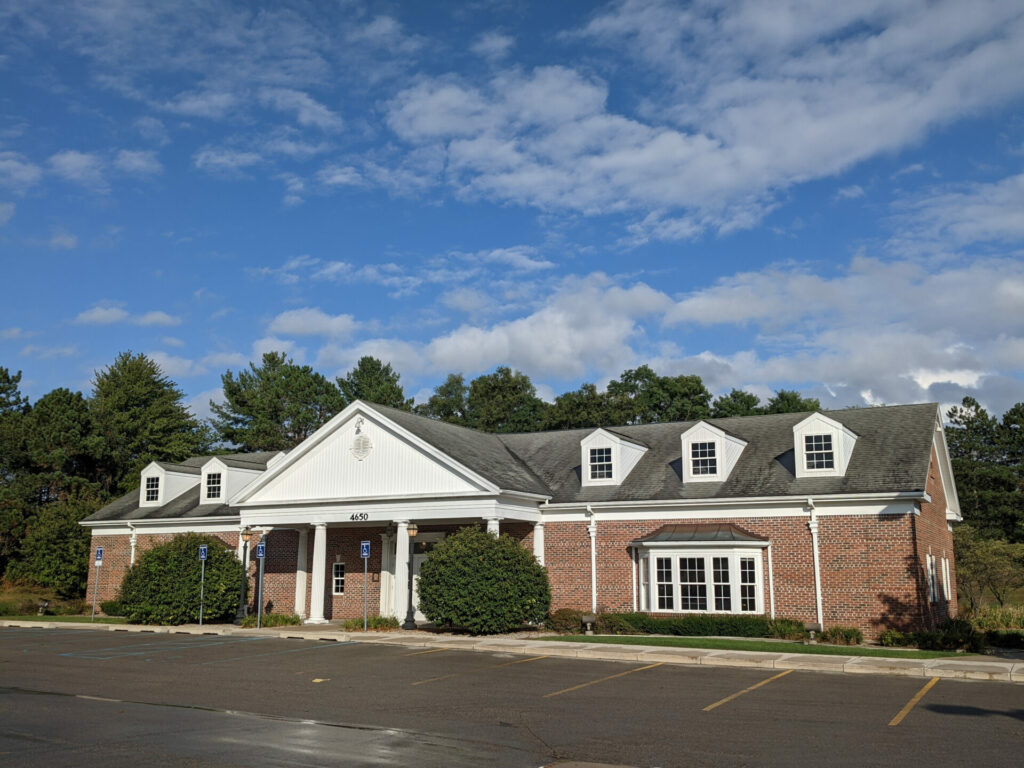
Comprehensive Engineering, P.C. is a multi-disciplined consulting engineering firm based in Grand Rapids, Michigan. Our firm’s principals include: Ken Reigler, PE; John Corrigan, PE and Gordy Sible, PE. Our principals are licensed engineers that manage and lead each project from concept to completion.
We provide a variety of services including electrical, structural, mechanical, civil, and forensic engineering for a broad range of projects. Our engineers tailor designs toward project requirements, such as LEED, BIM, and sustainable design. We are committed to providing quality engineering services with honesty and integrity, while meeting your goals, schedules, and budgets.
Our strength is our team. We have a dedicated staff of engineering and design professionals who strive to provide you with high quality, on-time, personalized service on every project you place with us.
The firm’s founding principals, Steve Romsek, PE and Gary Johnson, PE, have retired after many years in the industry. Their leadership and experience were instrumental in the growth and success of the firm to what it is today.
New Mechanical Department Head
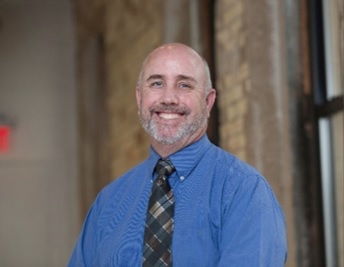
We are pleased to announce Lou Hill, PE who has joined Comprehensive Engineering as a Senior Mechanical Engineer and Mechanical Department Head at Comprehensive Engineering. Lou has worked and managed engineering departments responsible for the mechanical design on various projects. We’re very excited for him to take on a management role at Comprehensive Engineering!

